La Houguette Primary School
Citizenship
Will develop the knowledge, skills and understanding that learners will need to play a full part in society as active and responsible citizens. Citizenship education will aim to foster learner’s awareness and understanding of democracy, government and how laws are made and upheld. Teaching seeks to equip learners with the skills and knowledge to explore political and social issues critically, to weigh evidence, debate and make reasoned arguments. It is aimed to prepare learners to take their place in society as responsible citizens, manage their money well and make sound financial decisions.
Drama
will be taught in a variety of subject areas, for example, in RE, to help explore a concept or story. In some year groups, it is the main focus of the learning, but ties in with areas of literacy or other expressive subjects. Children will learn disciplines such as mime, spoken word and freeze frame as well as role play. Children explore these in different size groupings, rehearsing their ideas and refining their work to share with other pupils. They work from a range of stimuli including stories, own picture boards and exciting pieces of artwork that has been loaned to the school. The children also enjoy performances from professional theatre companies and love to visit the Performing Arts Centre for annual Christmas shows.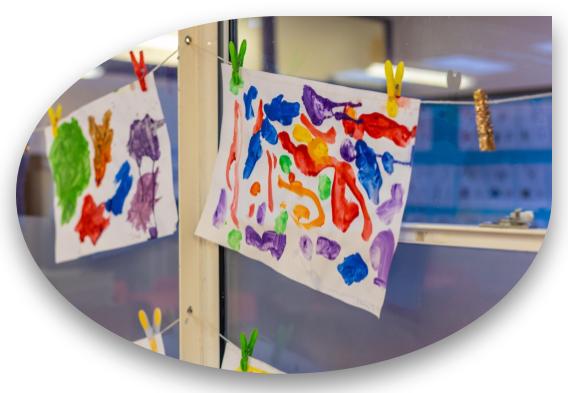
Understanding the World of Work
Children will receive quality advice and guidance to prepare them for a changing workplace where they may need to adapt to new challenges in education, employment and training. They will also be able to make informed judgements to make effective decisions regarding the use and management of money.
Careers
Opportunities will be offered to allow children to acquire the knowledge and competencies necessary for success in school, in the workplace and in their daily lives. They will discover that this is a lifelong journey of planning and learning resulting in successful career path choices and job opportunities that ensure life satisfaction and good mental health and well being. Teachers will guide the children into learning how to work and communicate with others effectively, valuing diversity of people and cultures, ideas and opportunities. There will be an understanding of the breadth of jobs available and the impact volunteering can have on local communities and in the wider world. Opportunities for community connections, real-life contexts, and experiences outside the school environment will be used to equip the children with the knowledge and personal and social competencies to manage their careers and life transitions.
Financial Literacy
Opportunities to learn about money and handle money are provided to all children in school with the aim of providing them with the skills required to ‘make informed judgements and effective decisions regarding the use and management of money’ (Department for Education and Skills).
Children in all year groups are given opportunities to handle money, work with a budget and understand how money can be made and money can be lost. Opportunities for Financial Literacy teaching can include, but are not limited to Enterprise (Y6 Dragons’ Den; Y1 Hedge Veg); planning an event with a set budget; use of money in continuous provision (EYFS/Y1); researching and planning a holiday. In addition to managing money, children are also made aware of the different forms money can be present and that there are many different currencies around the world which enable people to trade.
Relationships and Sex Education
Teaching about relationships and sex in education settings forms part of the curriculum in all education settings.
Please follow this link for further information: