La Houguette Primary School
Literacy
Reading
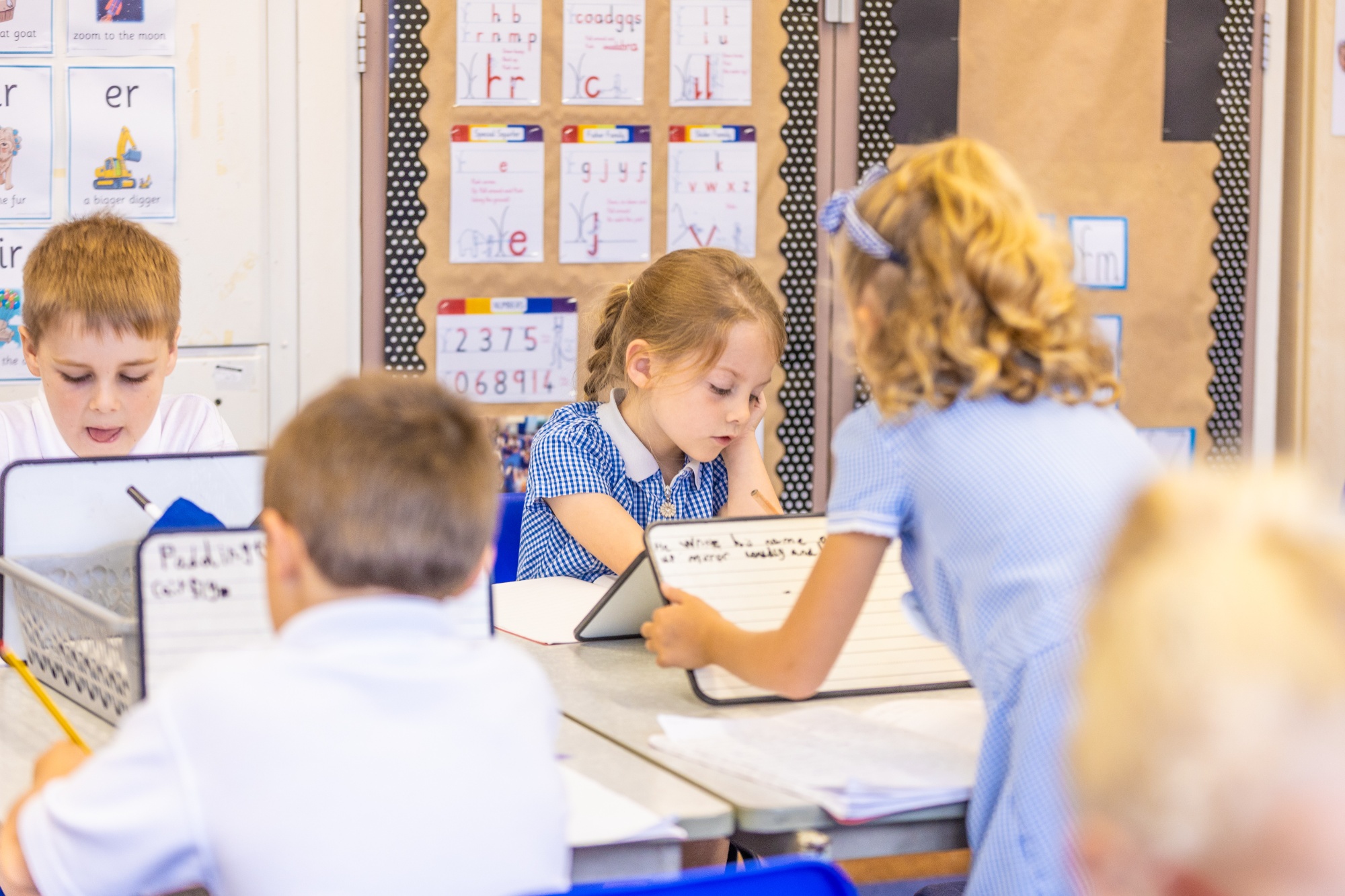
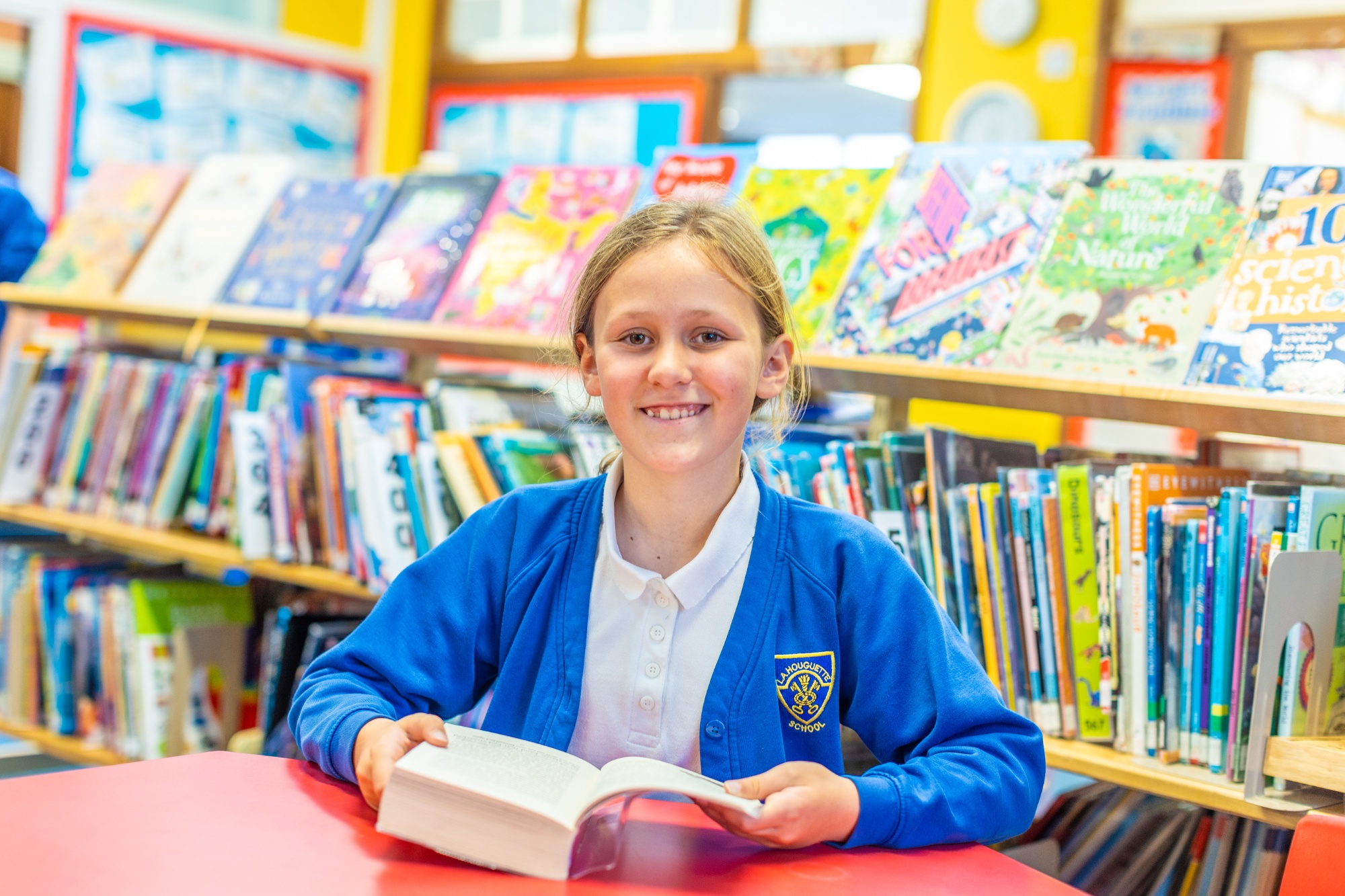 Reading is a priority at La Houguette Primary School, and we are proud to offer the pupils a text-rich learning environment. Through our systematic, synthetic phonics programme, we ensure pupils develop the skills and knowledge that they need to develop as confident readers who can successfully decode and comprehend texts. In our curriculum, we select texts that inspire and enthuse, encompassing themes that promote La Houguette's school values and nuture the pupils' personal, social, spiritual and emotional development.
We start teaching pupils to read at the start of Reception, following the Little Wandle Letters and Sounds Revised phonics programme. Fully decodable books are carefully matched to the pupils’ phonic knowledge so that they do not have to rely on less successful strategies when reading independently, such as guessing words. Instead, the books contain letters, sounds and words that have been taught in school.
As a result, pupils feel a sense of achievement when they are asked to read. As pupils progress through the school, they are taught reading through Whole Class Guided Reading sessions – an approach that exposes all pupils to challenging texts and allows for deep exploration of texts and the opportunity for class discussion.
Reading for Pleasure
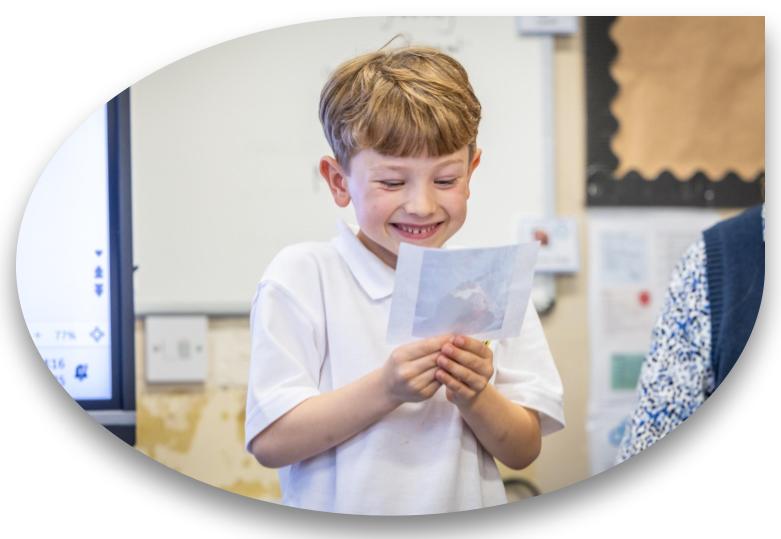 Reading for pleasure opens up new worlds for children, giving them the opportunity to use their imagination and explore new ideas. It also improves children’s well-being and empathy. Pupils at La Houguette are given regular opportunities to read for pleasure and teachers read aloud to their pupils every day.
La Houguette carefully curates its selection of books to serve as windows into a wider world, intentionally opening up paths to deep knowledge and global awareness. By thoughtfully featuring stories from diverse cultures, religions, and backgrounds, the school fosters genuine empathy and an understanding of different perspectives. This deliberate approach ensures that every child feels represented while learning to celebrate differences, ultimately cultivating a vibrant, inclusive environment where respect and curiosity thrive. Assemblies themes and PSHE lessons are taught through carefully chosen books.
We also read to pupils from a range of genres – non-fiction, poetry, picture books and chapter books. We work with parents to encourage reading at home and ways to support reading (as well as recommended reading lists) can be found at the links below:
Recommended Reading Lists
Writing
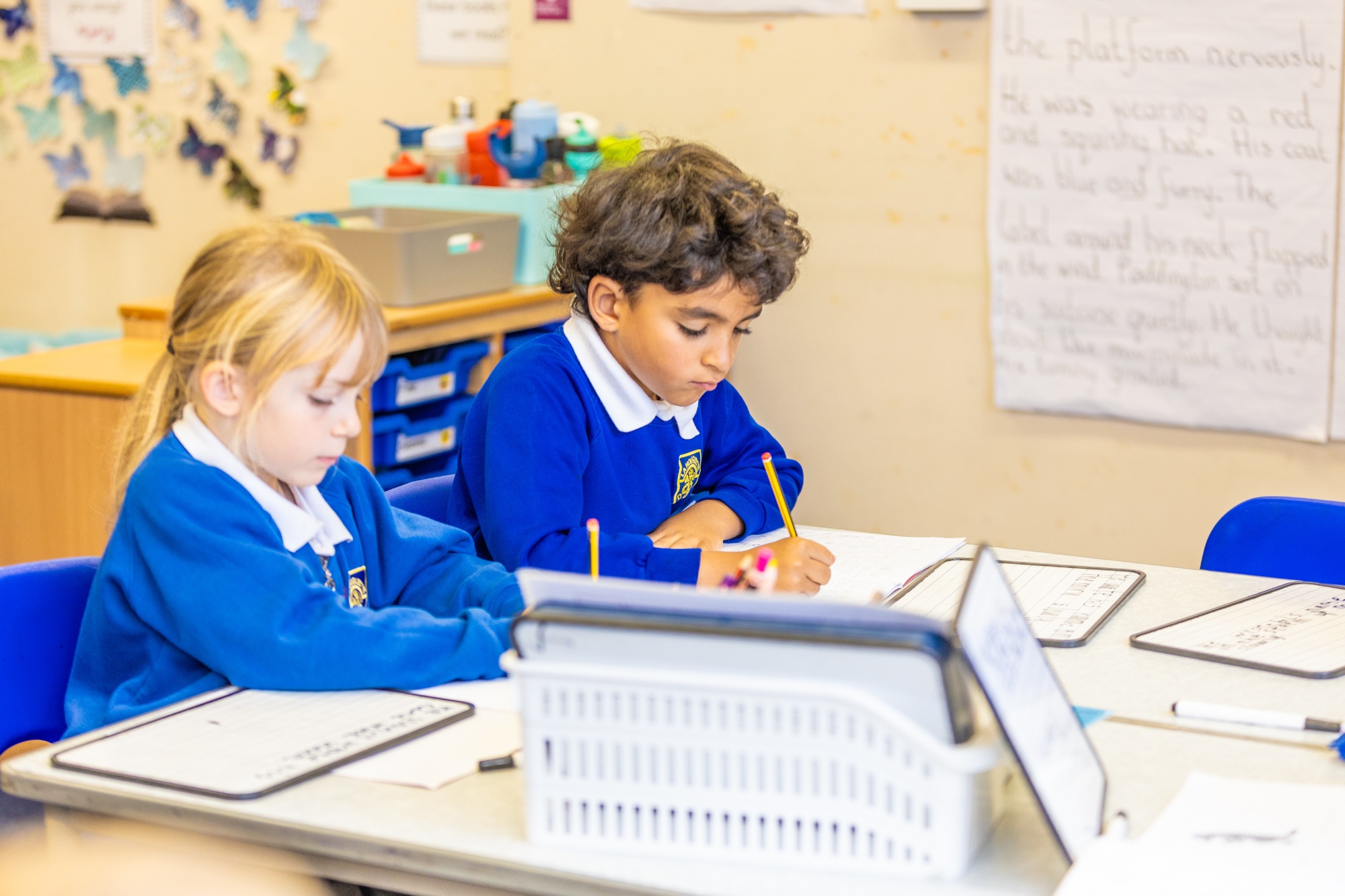 Our Approach to Writing
We aim to develop writers who are both technically accurate and creatively brave. Through our curriculum, children learn to manipulate language for specific audiences and purposes, using writing as a powerful tool for self-expression and critical thinking.
-
The Writing Process: We carefully scaffold the writing journey, guiding pupils from early 'Drawing Club' and Talk for Writing through to planning, drafting, editing, and publishing.
-
Structured Cycles: We follow a dedicated sentence knowledge curriculum. Writing is taught in structured 5-week cycles: 2 weeks on sentence structure, 2 weeks of modelled writing, and 1 week of independent writing.
-
Disciplinary Writing: Children are taught the specific skills needed to write for purpose across the curriculum—learning to write like a Scientist, Historian, and Geographer.
-
Integrated Mechanics: Grammar, punctuation, and spelling (SPAG) are taught explicitly but always integrated into meaningful writing tasks rather than isolated drills.
-
Visual Stimuli: We use engaging images and multimedia to spark imagination and inspire creative ideas.